
The Light We Reflect
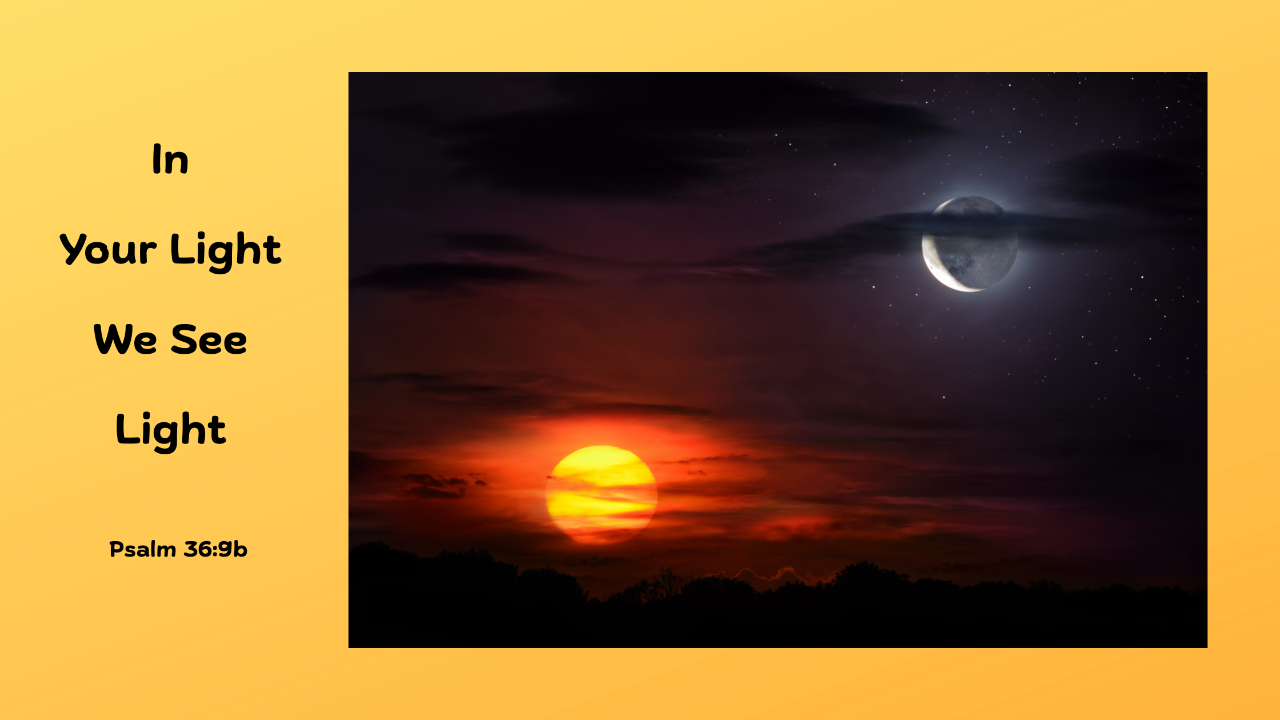
Most of us are familiar with the idea that God is light. He is our source of direction and truth, guiding us in how we live.
Jesus declared, “I am the light of the world,” and promised that whoever follows Him “will never walk in darkness” (John 8:12). But He also told His followers something remarkable: “You are the light of the world” (Matthew 5:14).
Think about the moon. It doesn’t produce its own light—it reflects the light of the sun. In much the same way, we reflect the glory and truth of God. As we look to Jesus and are transformed by Him, we reflect His glory to the people around us (2 Corinthians 3:18)—both to those who know Him and to those who don’t.
We are reflectors of the Light of the World.
We are nothing less than that. And apart from Him, we are nothing more.
- This is our identity: We are children of God, created to bear His image.
- This is our privilege: We have a Father in heaven who knows us—who knows our circumstances, our needs, and our hearts. And He hears ...
Busy or Effective?

We need to be careful not to confuse busyness with effectiveness.Being effective isn’t about doing as many things as possible. It’s about doing the right things—and doing them well. Jesus was incredibly effective, yet He rarely seemed rushed, distracted, or driven by the demands of everyone around Him.
Jesus told us to “seek first” God’s kingdom and His righteousness, with the promise that the other “things” we need will be given to us as well (Matthew 6:33). He also warned that “life’s worries, riches and pleasures” can keep us from growing spiritually (Luke 8).
The challenge is learning to give God our first attention and our highest priorities. As we do that, He can guide us in how we order the rest of our lives. When we trust Him, our lives can become both abundant and effective—empowered by the Holy Spirit rather than driven by our own efforts.
One helpful way to evaluate our lives is to look at what is actually driving our activities. The answers may help us see where some adj...
There Is No Spiritual Crash Diet
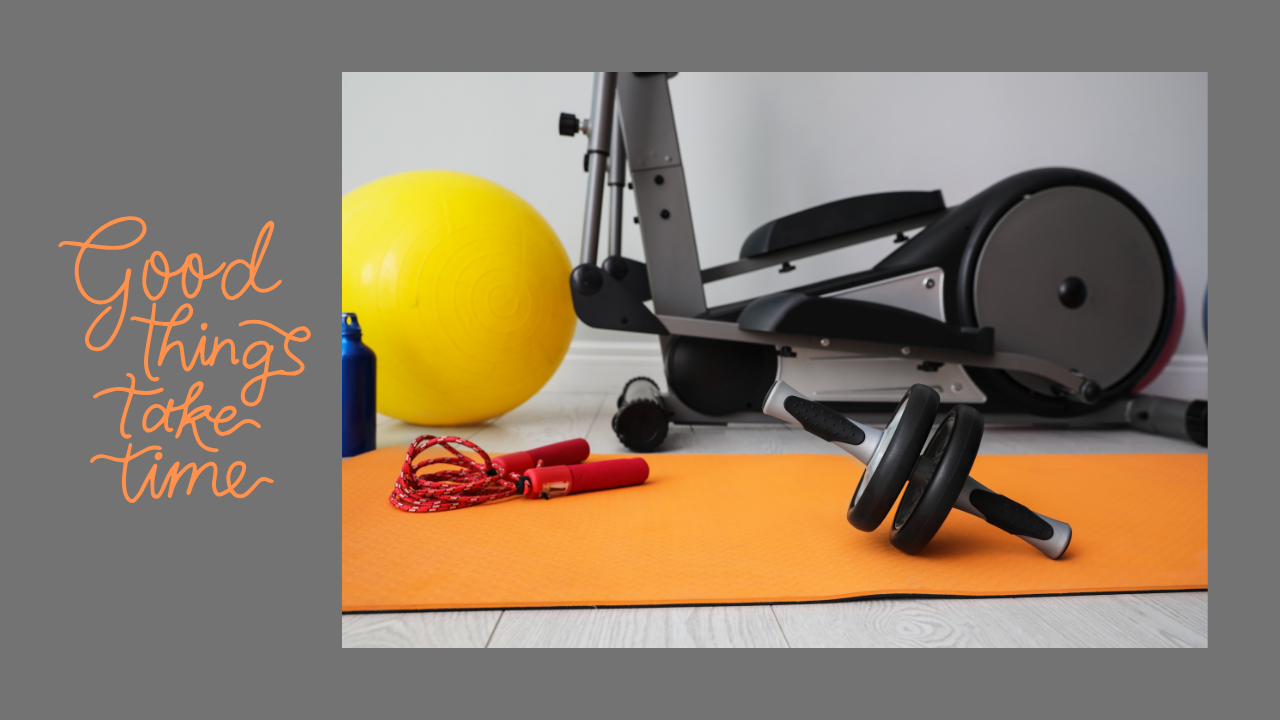
Everyone seems to want to be in better shape these days—at least that’s true of old folks like me!
Some are trying the Mediterranean Diet. Others are giving Keto or intermittent fasting a try. Yoga, Pilates, strength training, and high-intensity interval workouts are popular, too.
Maybe you’ve been bitten by the low-carb bug. Maybe you’re trying to “get in better shape.”
But here’s a question we don’t always ask:
Are you looking for a short-term fix or a lifelong change?
It’s one thing to want to look good for an upcoming event, vacation, or reunion. It’s another thing to ask, “What do I want my life to look like ten or twenty years from now?”
Are you willing to change the way you eat for the long haul? Are you willing to keep exercising year after year, even after you reach your original goal?
Because lasting change usually doesn’t happen through a quick fix. It happens through consistent choices made over time.
And sometimes we approach our faith in much the same way.
We wan...
Faithful In The Waiting

God said to Joshua, “I will give you every place where you set your foot, as I promised Moses.” (Joshua 1:3)
Forty years earlier, Joshua had been one of the twelve spies sent to explore the Promised Land. He had seen the land for himself and believed that God intended to give it to the Israelites. But the people became overwhelmed by the obstacles they saw ahead of them. They decided the challenges were too great and turned away from the gift God had offered.
So Joshua waited.
For the next forty years, he served faithfully under Moses and continued to lead in the wilderness. Then Moses died. And almost immediately, God spoke to Joshua:
Now is the time. Move forward. I am giving this land to the people. Go where I lead you, stay within the boundaries I have given you, and remain faithful to Me.
That is my paraphrase of God’s words to Joshua in Joshua 1:1–5.
God promised Joshua that He would be with him and that He would give him the authority he needed to lead the people. Joshua h...
At the Crossroads

It’s easy to get caught up in the pace of life. We move from one day to the next, hoping to enjoy life along the way, accomplish what needs to be done, and maybe save enough money to make the future a little better than the past.
But surely there is more to life than that.
God once gave the people of Jerusalem this counsel:
“Stand at the crossroads and look; ask for the ancient paths, ask where the good way is, and walk in it, and you will find rest for your souls.”
—Jeremiah 6:16
Life is full of choices. Most of them are pretty ordinary: Which product should I buy? What should I watch tonight? What should I have for dinner?
But every now and then, we come to a crossroads where the choice is much more significant. These are the decisions that shape who we are becoming and what our lives will ultimately accomplish.
Those are the choices that require God’s wisdom.
Have you learned to ask God for His “ancient paths”—wisdom that existed long before we did? Have you learned to look fo...
What Will You Do With Difficult People?

Have you ever stopped to consider how often you are in a position to either be used by God for someone else’s benefit—or respond in a way that harms them?
It happens more often than we probably realize.
Whenever we encounter someone who irritates us, frustrates us, or simply feels very different from us, we have a choice to make. And if we think about our weekly schedules, there are probably plenty of opportunities!
There are two common ways we can respond to awkward or difficult relationships.
1. We may be tempted to write people off.
If someone doesn’t seem to benefit us, understand us, or satisfy us relationally, we may simply dismiss them. We can begin to see them as less important—or perhaps even less valuable—than we are.
In those moments, we may become the abuser, not necessarily through obvious cruelty, but through our attitudes, judgments, indifference, or refusal to engage.
2. We may turn the rejection inward.
Instead of dismissing the other person, we may assume that...
Be With ...

Some time ago, I was walking through a park and noticed the different ways mothers connected with their toddlers as they walked and strolled together.
Some moms had a coffee cup in one hand and their child in tow. Their eyes were a little glazed over, and their minds seemed to be somewhere else. They were physically with their child, but in that moment, they weren’t really with anyone.
Other mothers were completely focused on their children—talking, asking questions, pointing things out, changing their tone of voice, and creating one experience after another. These were moms on steroids! They were definitely WITH their children.
It made me wonder: What kind of connector am I?
We all connect with people differently, and even the way we connect can change from one moment to the next. Sometimes we are passive and somewhat disconnected from the people around us. Other times, we may move in so closely that there isn’t much room left for the other person to breathe—emotionally, psycholog...
How Far? How Fast? How’s Your Form?
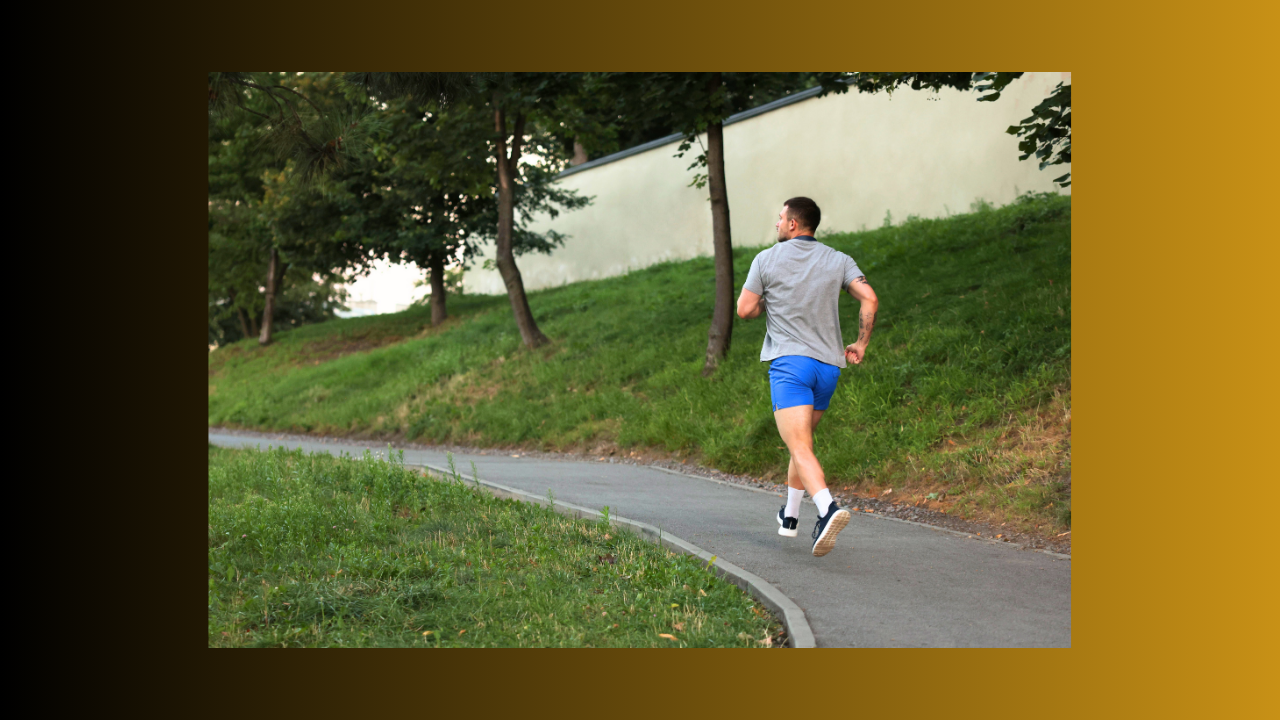
These are the kinds of questions we tend to ask each other—sometimes out loud and sometimes without even realizing it.
If you’re a runner, people may want to know: How far do you run? How fast can you run a mile? And if they’re really interested, they may even want to know how your form looks.
But those questions aren’t just about running. In one way or another, we ask them about almost everything.
How far? How long have you been at your job? How old are you? How much have you accomplished?
How fast? How quickly did you get there? How much do you make? How busy are you? How much can you handle?
And then there’s form: How well are you actually doing what you’re doing? What does it look like? How are you doing it?
We can easily find a sense of personal glory in the first two questions:
How far? How long? How old?
How fast? How much? How strong? How busy?
We tend to measure ourselves—and sometimes one another—by our accomplishments, our productivity, our longevity, and our capacity...
"Stop Running"

We often wake up to an alarm. (Not exactly the most peaceful, inspiring way to begin the day, is it?) And then we spend the rest of the day trying to keep up with everything we’re “supposed” to do.
We run and run, but somehow we never feel like we’re gaining much ground.
Many of us live in an almost constant state of exhaustion—some days more than others. Is it physical? Maybe. Is it mental? Absolutely. Who isn’t carrying a head full of thoughts, problems, decisions, and ideas? Is it emotional? Yes. Who isn’t experiencing some degree of stress these days? And is it spiritual?
Most definitely.
Our exhaustion may have a deeper spiritual root than we realize—and it’s something we need to take seriously and address intentionally. Jesus warned about “the worries of this life, the deceitfulness of wealth and the desires for other things” that can choke out the life of the spiritual seed growing within us (Mark 4:18).
Busyness and exhaustion, left unaddressed, eventually take a toll on u...
Are You a Delight or a Drag?
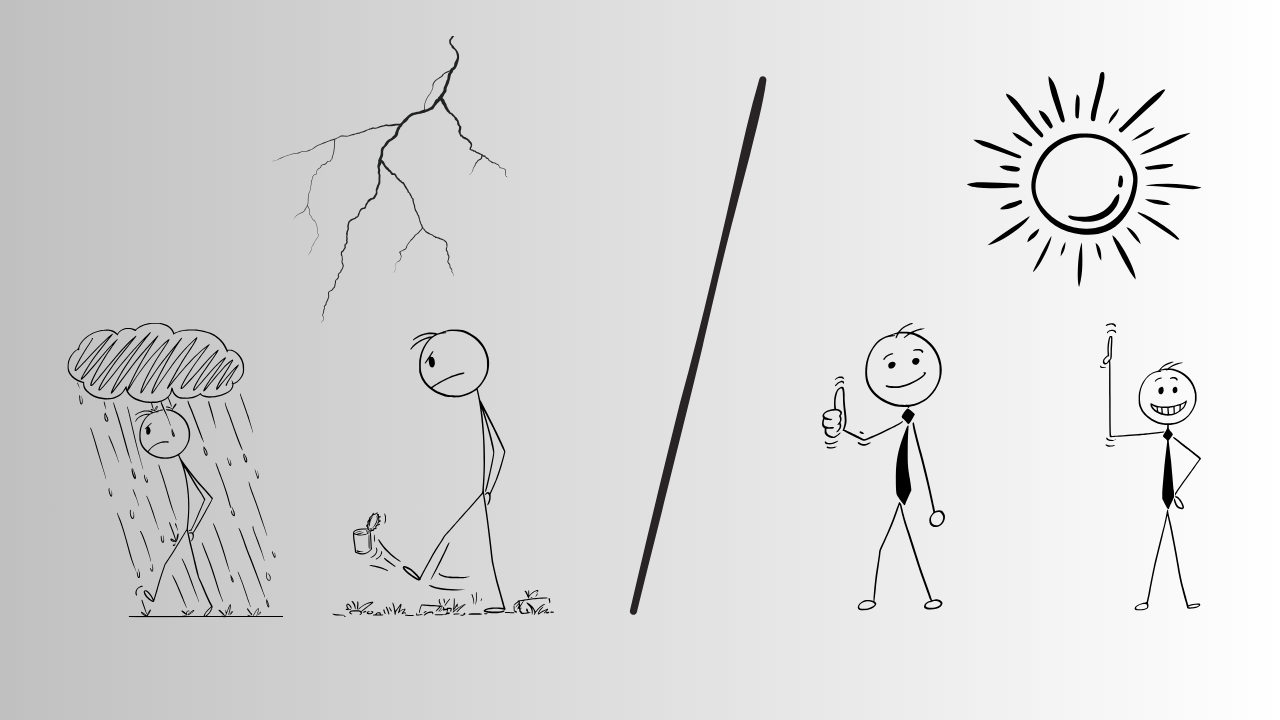
Have you ever noticed that some people leave you feeling energized, while others leave you feeling drained?
Most of us enjoy being around people who refresh us. They encourage us, challenge us in healthy ways, and somehow leave us with more hope than we had before. On the other hand, we've all been around people who seem to sap our emotional, physical, or spiritual strength. If we're honest, we've probably gone out of our way to avoid them from time to time.
That raises an important question:
Which kind of person are you becoming?
Are you becoming someone who refreshes others, or someone who unintentionally weighs them down?
Being a delight to others doesn't begin with trying harder to be nice. It begins by being regularly refreshed by the Lord. He alone is the source of real life. Jesus said, "Whoever believes in me...streams of living water will flow from within them" (John 7:38).
As we spend time with Him and respond to the Holy Spirit in faith, His life begins to overflow int...
