
Who Gets to Define You?
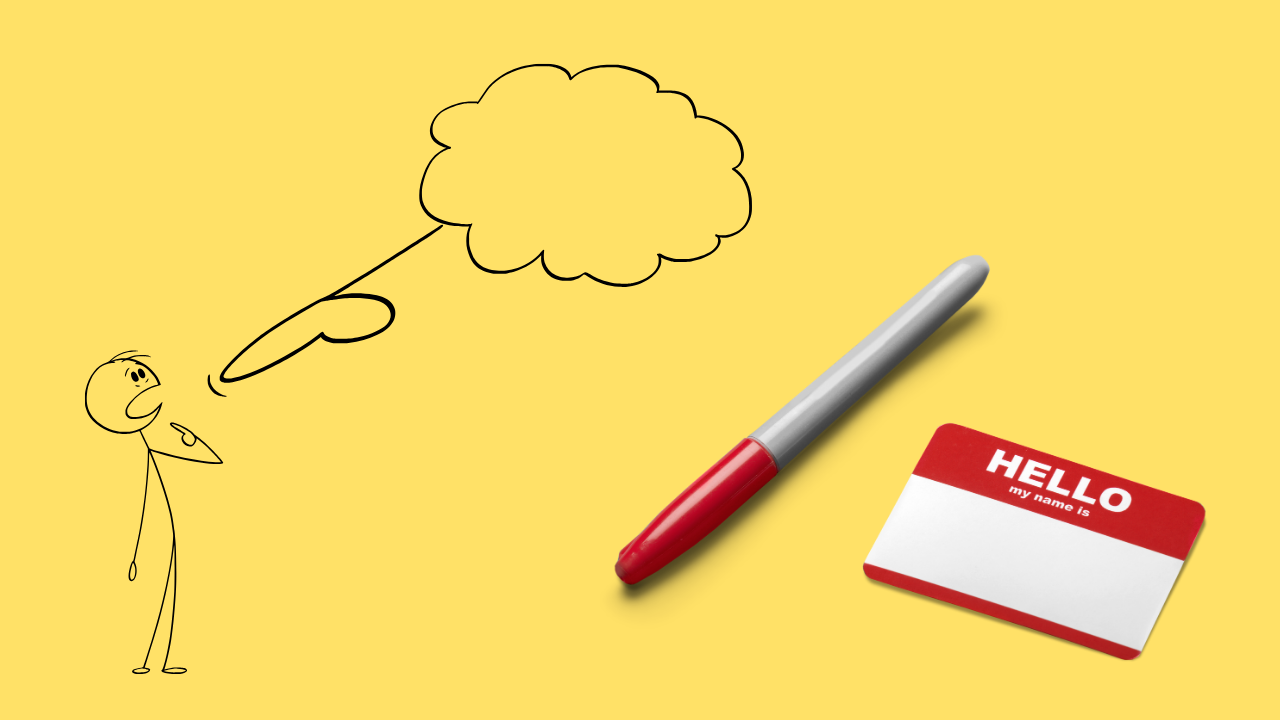
Names matter. They carry meaning and often tell us something about the person or thing being named. When we name a pet, for example, we often choose a name that reflects its personality or some distinctive trait.
In Bible times, naming a child was an important responsibility. A name could express something about the child’s character, circumstances, or the hopes people had for that child’s life.
Have you ever stopped to consider that God created you intentionally and placed you in this particular time and place for His purposes? Your life is not an accident. God knows you intimately, and He has a purpose for you. Revelation 2:17 even speaks of receiving a new name from God—a name known personally to the one who receives it.
Whether or not your given name reflects God’s purposes for you, your identity is rooted in His knowledge of you, His love for you, and His intentions for your life.
But God isn’t the only one who gives us names. Other people—and the culture and systems around us—attach labels to us, too. Some are positive, while others can be deeply hurtful. Some reflect how others see us; others reflect what we can or cannot do for them.
Over time, we may begin to believe these labels and allow them to shape how we see ourselves. We may come to think of ourselves as inadequate, unwanted, weak, or unimportant. Even seemingly positive labels can become limiting if we build our identity around what others expect of us.
We need to be careful about the names we accept as defining who we are. Our identity should be shaped by who God says we are, not simply by what others think or say about us.
Consider Daniel. When he was taken captive to Babylon, the Babylonians gave him a new name (Daniel 1:7). Yet Daniel remained faithful to God while living in a culture that sought to reshape his identity and loyalties. He learned to live in Babylon without allowing Babylon to determine whom he worshiped or whom he served.
Jesus expressed a similar idea in John 17. His followers were to remain in the world, even though they were not to be of the world. We, too, are called to participate in our culture without allowing it to own us, define us, or determine our deepest loyalties.
So, what names are you living under?
-
Are there labels others have placed on you that you need to stop accepting as part of your identity? Perhaps someone has made you feel incapable, unworthy, or unimportant. Bring those labels before God. Ask Him to help you recognize what is untrue, release the hold those words have on you, and live in the freedom of who He says you are.
-
Are there truths about your identity or purposes in God that you need to embrace more fully? Perhaps God is inviting you to recognize your value as His creation, to step into a purpose you have been avoiding, or to live more confidently in the person He is shaping you to become. Pray about these things, receive what is grounded in Scripture, and consider writing them down so you can return to them regularly.
The names others give us can influence us, but they don't have to define us. We can learn to recognize the difference between the labels that limit us and the truth that sets us free.
Whose voice is shaping your identity—and what might change if you began to see yourself more clearly through God's eyes?
Categories
All Categories© 2018 Greater Formation
